
By Kelly Kirk, founder of Kelly Tutors
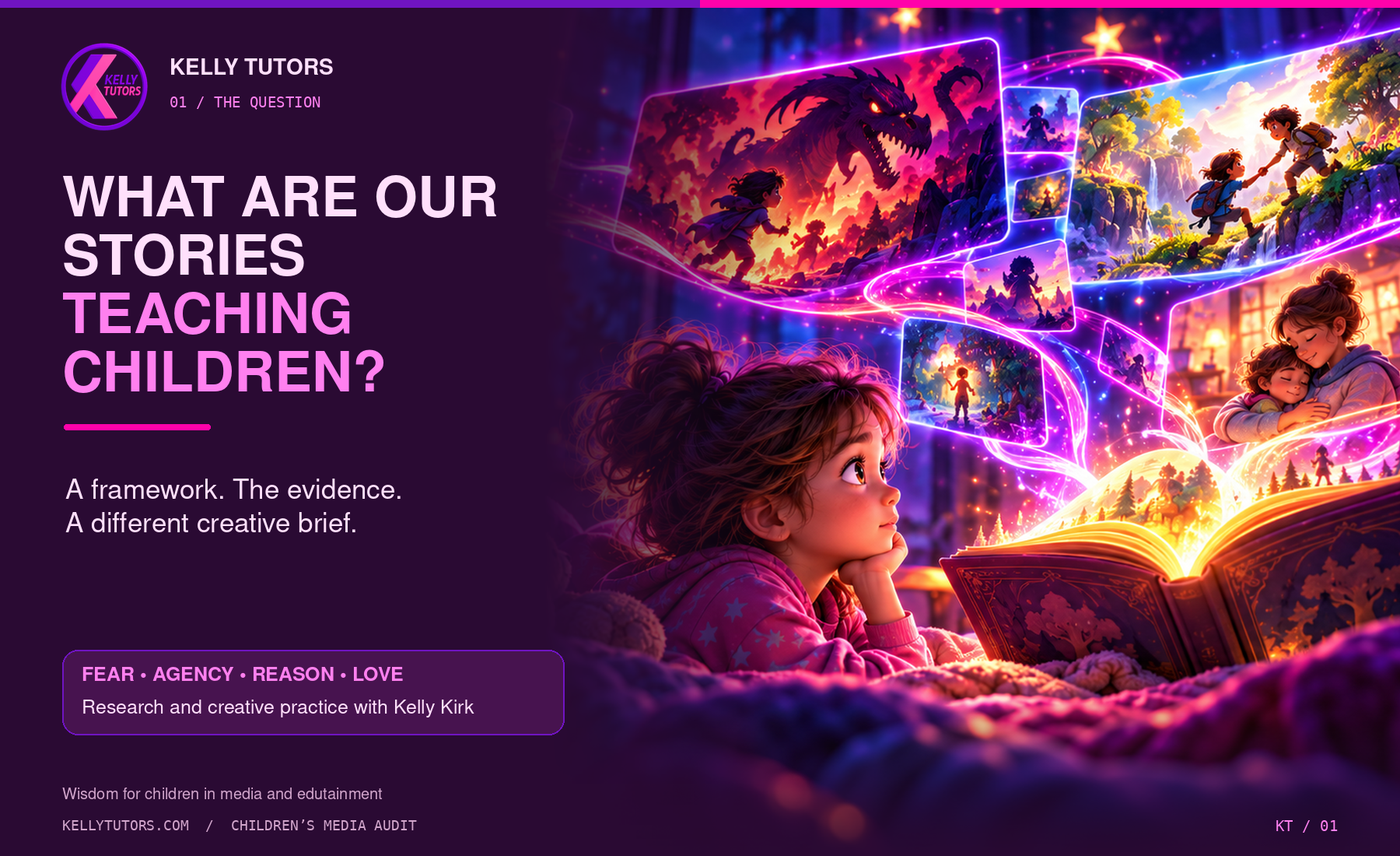
1. There’s a lesson underneath the adventure
I think we should question the lessons hiding inside the entertainment we give children.
Who gets to make decisions? Who has to wait to be rescued? What makes someone worthy of love? Is safety something characters can help create, or something that disappears whenever the story needs excitement?
A story can celebrate kindness in its dialogue while rewarding beauty in its ending. It can praise courage while giving its central character very little choice.
Fairy tales have many versions, and readers bring different experiences to them. These interpretations are questions to explore—not claims that everyone absorbs the same lesson.
At Kelly Tutors, my starting question is simple: what does the character get to practice, and what does the story reward?
2. Sleeping Beauty: who gets to choose?

Sleeping Beauty offers an unforgettable world: a castle, a curse, a sleeping kingdom, and the possibility of awakening.
But in familiar versions, much of the princess’s future is determined by other people. Someone curses her. Others try to protect her. A prince arrives, and her awakening leads into their marriage.
She doesn’t choose the curse, and needing help is nothing to be ashamed of. What interests me is how little room the ending can leave for her own wishes.
Could the story give her more to do than become someone else’s reward?
What does she want after waking? Does she choose the relationship? What does she discover about herself? Beauty and romantic attention needn’t be the only things that make her life worth following.
In my Sleeping Beauty work, autonomy and self-respect belong inside the adventure. A character can appreciate help and still have a say in what happens next.
3. The Three Little Pigs: what makes us safe?
The Three Little Pigs offers a useful lesson about preparation: materials, effort, and judgment matter. The third pig’s resourcefulness gives us something to admire.
Yet we can also ask what the story makes safety feel like. Is the world an endless contest between predators and prey? Does survival depend on being the one who built correctly? What happens to those who need another chance?
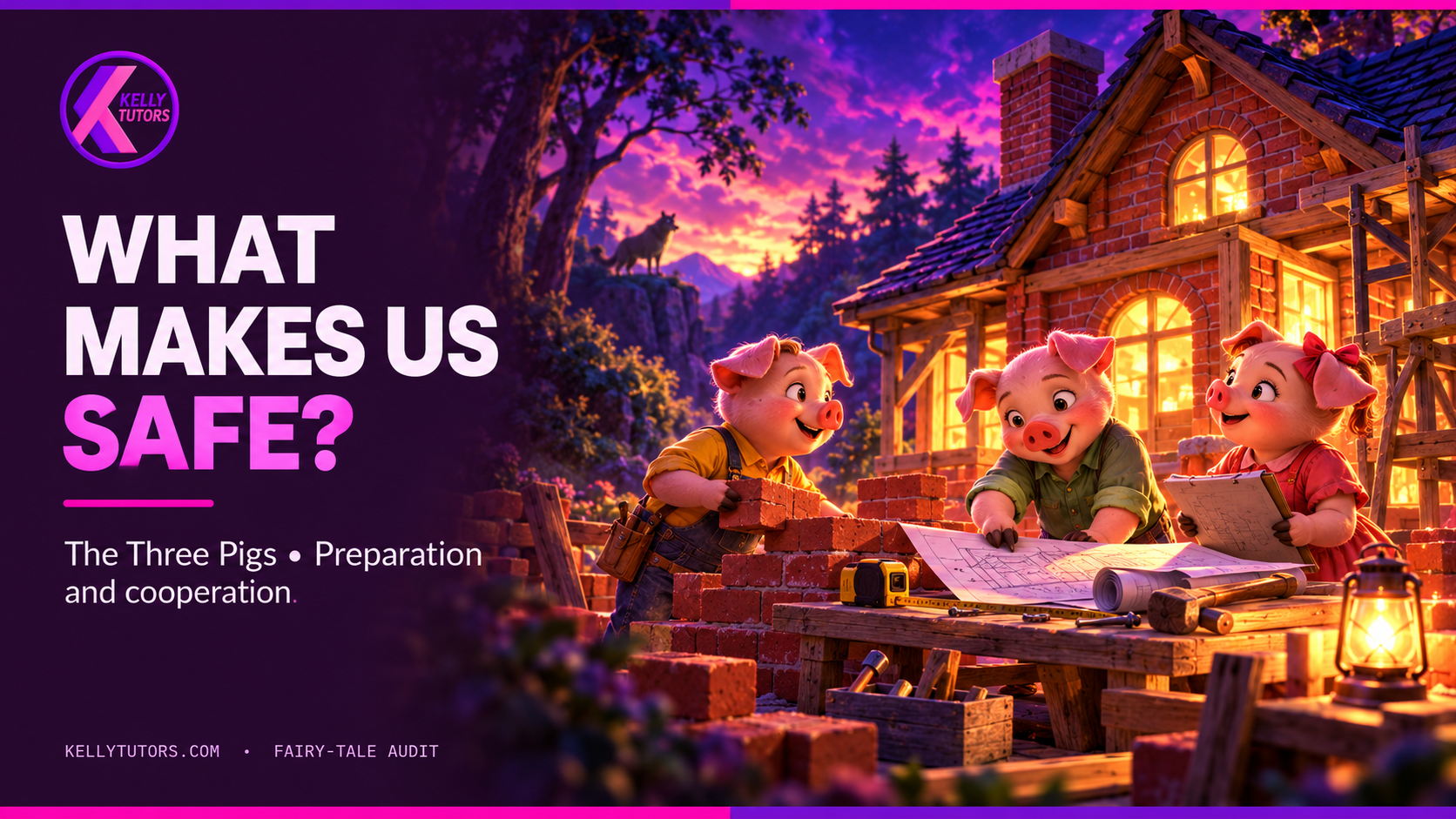
I want to explore safety as something characters can build together.
In The Three Persistent Pigs, building becomes an opportunity to learn, cooperate, and consider how our choices affect our neighbors. Building solutions is part of a community.
That creates room for different kinds of conflict: noise, frustration, conflicting priorities, mistakes, and the work of making things better.
Preparation still matters. So do listening, sharing knowledge, and helping someone improve.
4. The Gingerbread Man: can kindness have boundaries?
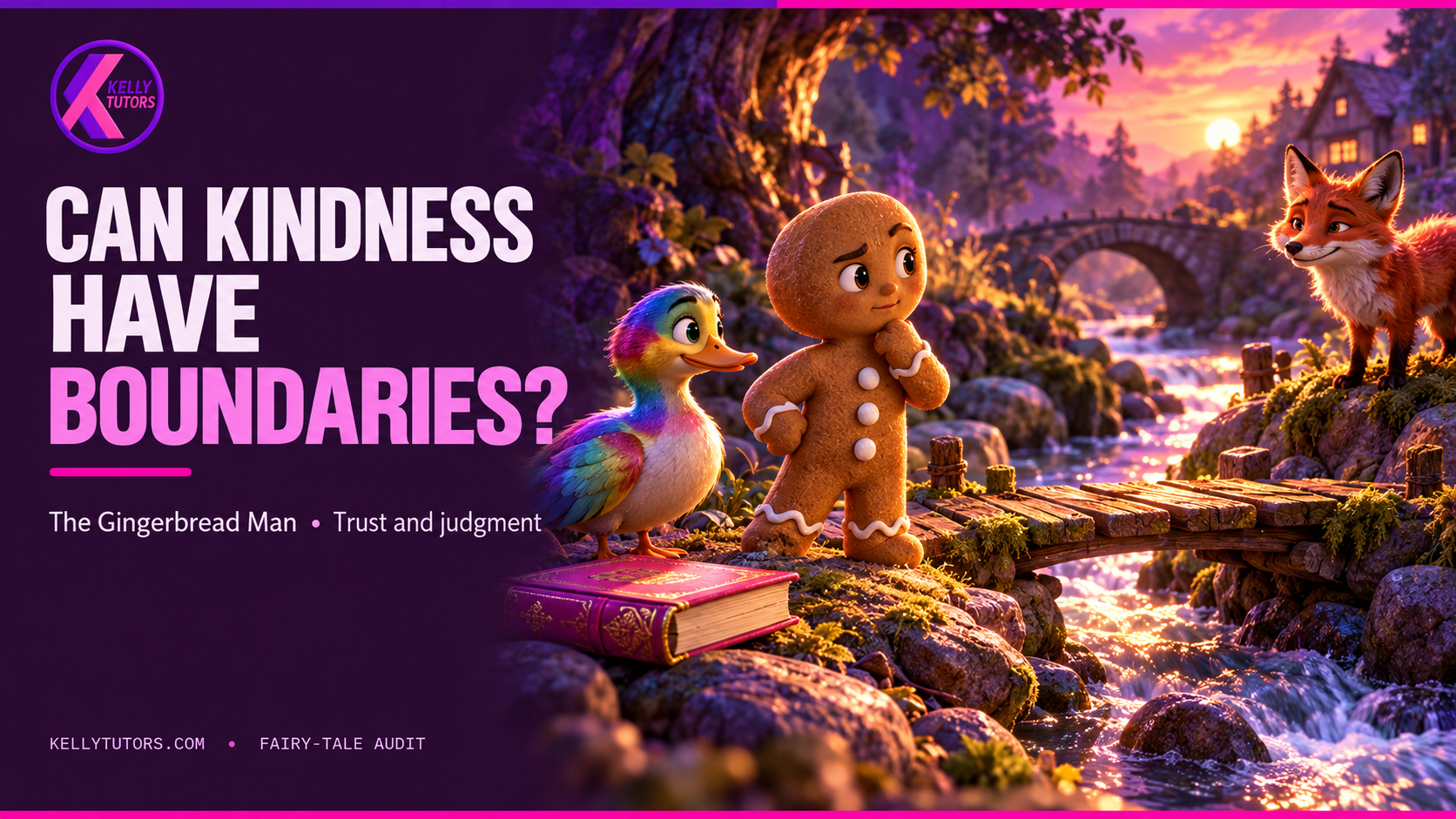
The Gingerbread Man is energetic, funny, and wonderfully memorable. He runs. Everyone follows. Then the fox proves more dangerous than the pursuers he escaped.
There is a worthwhile question about judgment here: how do we recognize when an offer of help serves the helper more than us?
But I also wonder what other possibilities the character gets to experience.
Can anyone be trustworthy? Can he ask a question before accepting help? Can he form a friendship without surrendering his independence?
Kindness and boundaries can belong in the same story.
That is part of what I’m exploring in The Happy Gingerbread Man: friendship, questions, helpful companions, and belonging. I want room for discernment alongside warmth—for a character to encounter uncertainty without every relationship becoming another reason to run.
The adventure can keep its surprises while giving the hero meaningful choices.
5. Which lessons would you pass along?
This is why I’m building a Fairy-Tale Audit for adults. We revisit the stories we grew up with and ask what we want to carry forward.
You don’t have to reject a favorite book to question it. You can keep its humor, wonder, and beautiful imagery while imagining a different resolution.
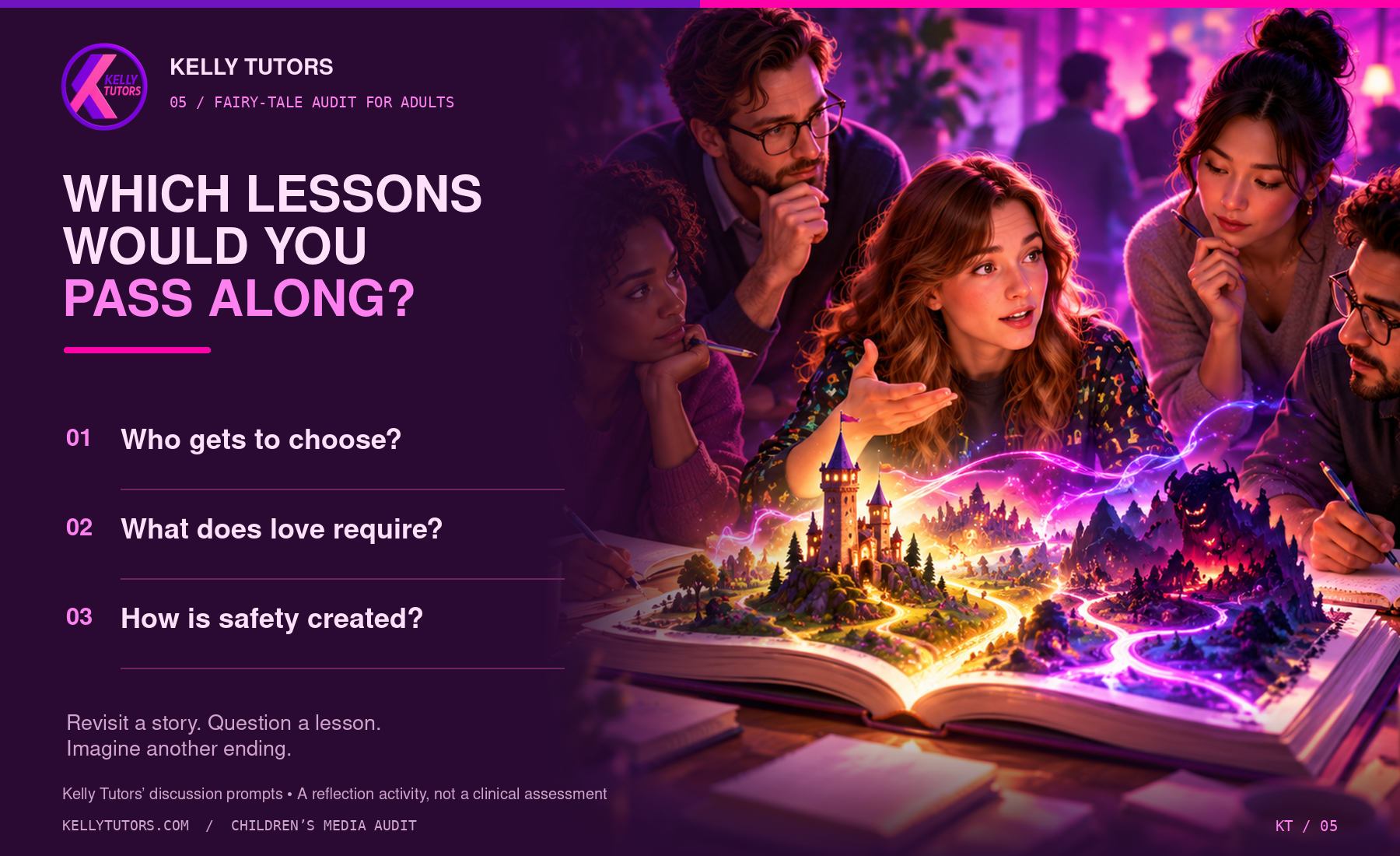
Try this with a story you remember:
Name the reward. Who gets love, safety, freedom, or belonging—and why?
Look for choice. Who can refuse, ask questions, change the plan, or seek help?
Rewrite one moment. What would change if a boundary were respected, a skill were taught, or a problem were solved together?
A story can contain fear, grief, and danger. I’m interested in what else it makes possible: reason, connection, repair, courage, and joy.
Those possibilities are central to Kelly Tutors’ children’s media and edutainment.
What did your favorite childhood story teach you—and which lesson would you rewrite?
Explore the stories at Kelly Tutors, or join my Fairy-Tale Audit at Creative Corner during the Seattle AI Week Summit on October 27, 2026.
